


The hidden motives behind gambling psychology
The allure of risk-taking
Gambling inherently involves risk, and this draws many individuals in. The thrill of potentially winning a large sum of money provides an adrenaline rush that is hard to resist. This excitement is often intensified in a casino environment, where lights, sounds, and the atmosphere combine to create a sense of euphoria. The risk of loss, paradoxically, can enhance the enjoyment for some, making the experience feel even more exhilarating. In the context of gaming, whether one visits a traditional venue or explores options online such as bitcoin casino, the environment plays a crucial role.
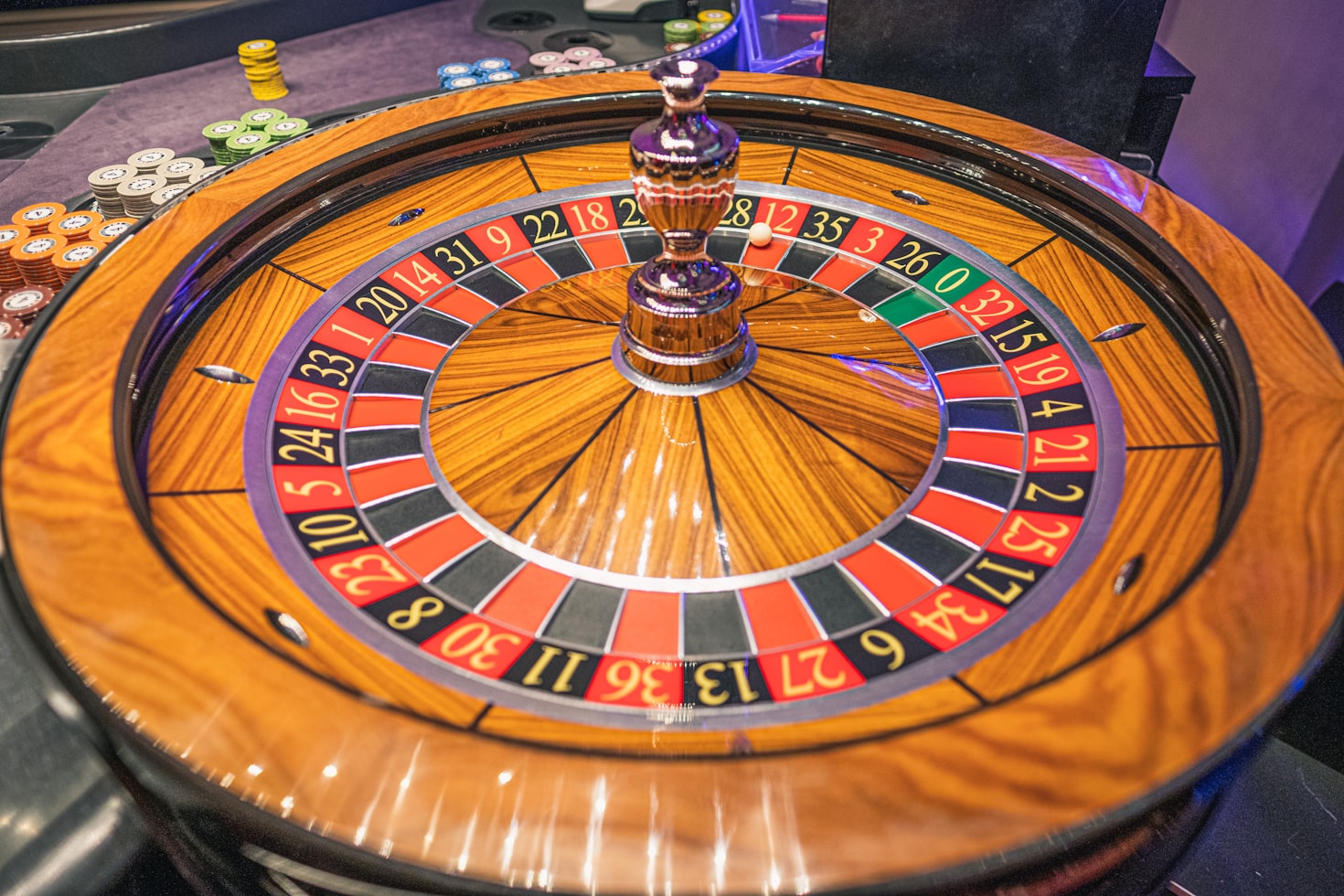
Moreover, the psychology behind risk-taking goes deeper. Many gamblers enjoy the challenge that comes with trying to beat the odds. This competition, whether against the house or other players, fuels a sense of accomplishment when they do win, reinforcing their desire to return. The interplay between risk and reward is a fundamental aspect of gambling psychology, making it a captivating activity for many.
The role of cognitive biases
Cognitive biases significantly influence gambling behavior. For instance, the illusion of control leads players to believe they can influence outcomes, particularly in games of chance like slots or roulette. This false sense of agency encourages gamblers to engage more frequently, as they become convinced that their skills can sway the results in their favor.
Another common bias is the gambler’s fallacy, where individuals mistakenly believe that past events will influence future outcomes. For example, if a player observes a particular number winning multiple times, they may feel that it is ‘due’ to lose. Such misconceptions can lead to persistent gambling, as individuals chase after perceived patterns, often to their detriment.
The impact of social factors
Social dynamics play a significant role in gambling behavior. Many individuals are influenced by friends or family who gamble, which can normalize the activity and create a shared experience. This social acceptance can diminish perceived risks and encourage participation, as people are drawn into the excitement of group activities.
Additionally, casinos often promote a community atmosphere through group games and tournaments, which further entices players. The social pressure to engage can lead to increased gambling frequency, as individuals may feel compelled to participate to fit in or enjoy the camaraderie associated with gaming.
The influence of promotions and bonuses
Casino promotions and bonuses are designed to attract and retain players, leveraging psychological principles to maximize engagement. These incentives create a sense of value, making players feel they are receiving something extra for their money. This feeling can enhance their willingness to gamble more, driven by the perception of getting a ‘good deal.’
Moreover, these promotions often capitalize on the concept of loss aversion. Players are drawn in by the fear of missing out on lucrative bonuses, which can lead them to gamble more than they originally planned. This tactic effectively manipulates players’ emotions, pushing them to engage more deeply in the gambling experience.

Understanding the complexities of gambling psychology
Gambling psychology is a multifaceted field that encompasses various motivations and behaviors. Understanding the hidden motives behind gambling can help individuals make more informed decisions. Recognizing the factors at play, such as risk-taking tendencies, cognitive biases, and the influence of social dynamics, can lead to healthier gaming habits.
As you explore the exciting world of gambling, it’s crucial to stay mindful of these psychological undercurrents. Doing so not only enhances your awareness of your own habits but also allows you to appreciate the complex interplay between excitement and risk. For more insightful content on this topic and related discussions, stay connected as new articles and resources become available.