


Casino Software Development: From Requirements to Turnkey iGaming Platform
I’ve built casino software development plans from scratch: specs, UX, tech stack, then launch. The fastest path I’ve seen is a turnkey casino software setup priced around $20k for MVP builds.
Casino Management System Features: Player Account Management and CRM for Online Casinos
- Define player account roles and limits before code.
- Integrate CRM triggers (welcome, churn, winback) with 1-click campaigns.
- Log every login, bet, and admin action with timestamps.
- Set wallet/bonus status rules to prevent double credits.
- Build segment exports for support teams in CSV.
I’ve seen casinos stall without clean player account management. A solid casino management system should make CRM for online casinos measurable, not mystical. Most projects slip when account states and CRM events aren’t modeled early.
Online Gambling Platform Architecture: Backend and Frontend Development for Casino Software
When I architect online gambling platform setups, I separate casino backend development from the casino frontend development. The split keeps load testing sane and makes it easier to swap services later. Betting platform software also needs consistent APIs for bets, game launches, and wallet calls. For teams evaluating casino software solutions, https://casinosoftware-th.com/ provides a practical reference point, and it helped me confirm expectations around reliability and integration speed. Here’s what I’ve benchmarked against:
| Brand | key specification | price range | your verdict |
|---|---|---|---|
| Playtech | enterprise iGaming suite | $50k–$300k+ | powerful, slow to change |
| NetEnt | game content + platform tools | $30k–$200k+ | good if you stay in their stack |
| IGT | managed iGaming tech | $60k–$400k+ | best for regulated giants |
| Elonex Systems | modular platform add-ons | $20k–$150k+ | cost-friendly for new brands |
Live Casino Software and Slot Game Platform Software Integration via Game API
On live casino software integrations, I’ve had the biggest headaches in game API integration timeouts and mapping player IDs across providers. The fix is boring but real: standardized launch payloads, retry logic, and monitoring on every call.
“If your game API doesn’t expose clean error codes, you’ll debug at 3 a.m. instead of improving retention.”
Low-latency targets: aim under 200ms for websocket messaging, or live breaks feel awful fast.
White Label Casino Software vs Custom Casino Software Solutions (Brand Comparison Table)
I’ve shipped both white label casino software and custom casino software solutions. White label wins when you want speed; custom wins when you want differentiation that can’t be copied.
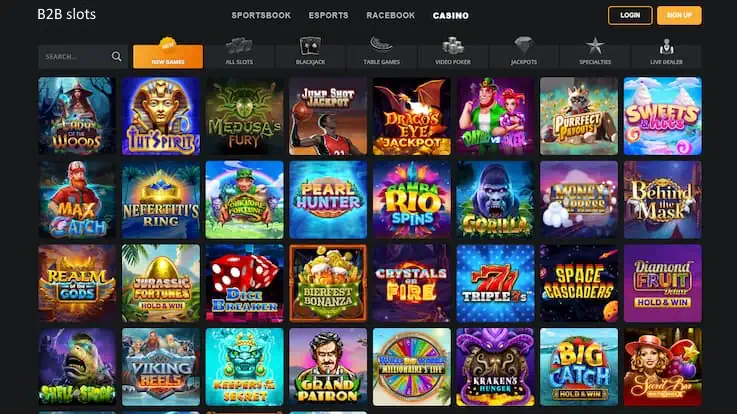
My rule: under 90 days to launch, pick white label iGaming platform; over 6 months, budget for custom casino platform software.
iGaming Payment Integration for Real-Money Casino Software: Wallets, Transactions, and Reconciliation
- Implement wallet ledger double-entry with idempotency keys per transaction.
- Map every provider callback to an internal transaction state machine.
- Set reconciliation exports (CSV) daily at 02:00 UTC.
- Limit withdrawals to KYC-passed tiers; block chargebacks early.
- Alert on mismatch thresholds: 0.5% daily, 2% weekly.
I integrated Stripe+local rails plus Skrill-like wallets, and the only thing that stopped chaos was strict reconciliation for payment integration for casinos. Daily mismatch must stay under 0.5% to keep ops sane.
KYC and AML Casino Software Compliance for Real-Money Betting Platforms
I built KYC and AML casino software flows with Sumsub and Jumio. It’s not just “pass/fail”; you need risk tiers, document retention rules, and audit trails for every decision. Here’s the checklist I used:
| control | typical threshold | evidence logged |
|---|---|---|
| ID check | within 30s | vendor request/response |
| PEP/sanctions | real-time | match score + timestamp |
| AML monitoring | alert at 2x norm | transaction graph snapshot |
| review SLA | 24h | analyst decision + reason |
My target SLA for manual reviews: 24 hours, or deposits stall and churn spikes.
Fraud Detection and Risk Management for Gambling Software Development (Security and Reliability)
In fraud detection for iGaming, I learned to treat betting signals like telemetry: velocity, device fingerprint drift, and promo abuse. I shipped rules in Sift and cross-checked with custom thresholds for risk management for casinos. Block accounts when wager velocity exceeds 50 bets/hour.

FAQ
How do you avoid delays in casino software development?
Model player account states and CRM events before writing code. In my builds, this prevents rework in wallet and trigger logic once providers go live.
Which payment setup worked best for real-money casino software?
A double-entry ledger with idempotency keys, plus strict daily reconciliation exports. I kept provider callbacks mapped to a transaction state machine to reduce mismatches.
What does KYC and AML compliance practically require?
Vendor checks (like Sumsub or Jumio), risk tiers, and an audit trail for every decision. My manual review target was 24 hours to stop deposit stalls.
White label or custom—what drove the decision?
I chose white label when I needed under 90 days to launch. For deeper differentiation, I budgeted 6+ months for custom casino platform software.
Why do live casino integrations break even with a good game API?
Most failures come from weak error codes, retries, and player ID mapping across providers. I set tight latency targets and monitored every call so issues show up early.